
How Trauma and Substance Abuse Fuel Each Other in a Vicious Cycle
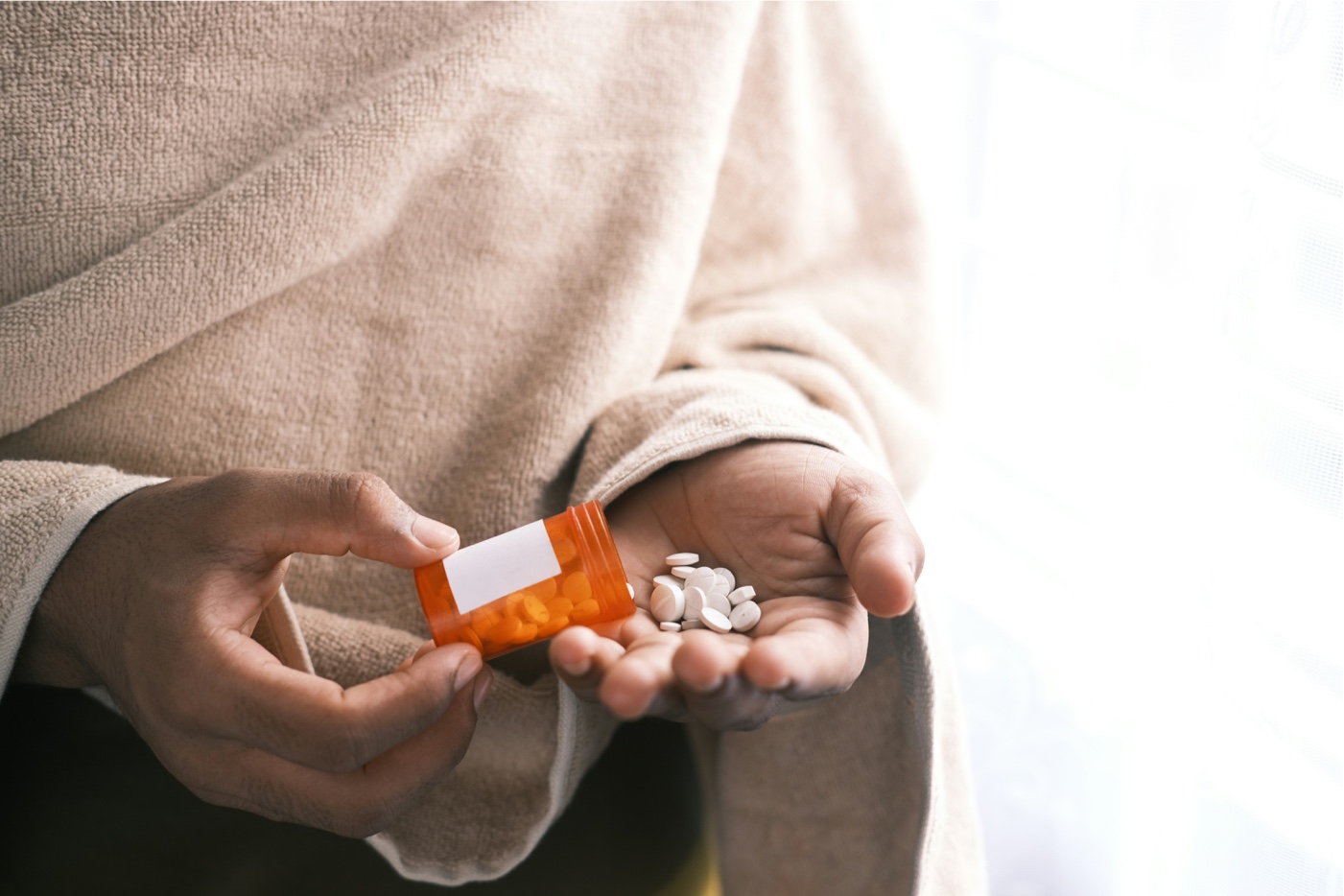
Trauma and substance abuse go hand in hand, and trauma sufferers regularly turn to drugs and alcohol to escape the pain they are feeling. But these behaviours can become habitual, and people end up relying on substance use for relief. But such relief can only be short-lived, and contains within it the seeds of further suffering.
Moreover, people with substance addiction are more at risk of creating new trauma for themselves, through their very substance use. In this blog, we explore how this unfortunate cycle occurs, and how you can get help if you are struggling with trauma-related substance abuse issues.
For more information on our trauma treatment center in Krabi, Thailand, speak with us today on +66 96 916 3287.
The Connection Between Trauma and Substance Abuse
Experiencing trauma can brutally impact your world. Responsibilities you used to meet with confidence, tasks that were effortless, situations that felt manageable can all become challenging, or even feel impossible. Minor upsets can become triggers, and it can feel as though all the joy has gone out of your life.
In such circumstances, it is easy to see why people suffering from trauma might turn to substances to numb the pain they are experiencing, or to escape a life that feels devoid of hope or enjoyment. Unfortunately, trauma can change the brain, and as a result, for people living with the effects of trauma, casual substance use often turns to substance abuse and dependency.
Studies show that up to 46.4% of PTSD sufferers in the general population also have a substance use disorder. The likelihood of someone developing substance abuse issues following trauma depends on a number of factors, beginning with the severity and duration of their trauma.
Chronic trauma is more likely to lead to substance abuse than a one-time traumatic event. The nature of the trauma also matters — those who experience sexual trauma or violence at the hands of a partner, are at a higher risk of resorting to substance abuse than those who experience less severe forms of trauma.
Childhood Trauma and Substance Abuse
Childhood trauma increases the risk of developing a comorbid substance use disorder in later life. Adverse childhood experiences (ACEs), such as physical, emotional, or sexual abuse, neglect, or living in a dysfunctional household, can deeply affect the developing brain and wire it in a way that increases susceptibility to mental health and addiction issues later on. Research shows that individuals who have experienced childhood maltreatment are three times more likely to develop substance abuse issues between the ages of 18 and 25.
Trauma during critical stages of brain development can alter a person’s stress-response system, particularly the HPA axis, a major neuroendocrine system which governs communication between certain sections of the brain (the hypothalamus and pituitary gland) and the adrenals. The HPA axis controls, among other things, reactions to stress, as well as mood and emotions.
A dysregulated stress-response mechanism can lead to heightened sensitivity, making it more difficult for the person to manage future stressors, or to distinguish between real and imagined threat or danger. The brain also becomes more prone to hyperarousal and emotional dysregulation, which can manifest as anxiety, depression, and PTSD.
Changes in brain function may also lead to an increased likelihood of using substances as a form of self-medication, in order to cope with overwhelming emotions, or to numb trauma-related memories. Interference with brain development at a young age not only puts an individual more at risk of developing trauma-related disorders such as PTSD, but also makes them more vulnerable to substance misuse. Indeed, trauma sufferers carrying unhealed past wounds often struggle to regulate their emotions or moderate their actions, and many find that substances make life less painful for them in this regard.
Substance Abuse and Trauma
People who develop substance abuse problems are also at greater risk of experiencing further trauma. As a dysfunctional behaviour pattern, substance misuse places strain on a person’s body, mind, emotions and nervous system, and can easily put them in potentially harmful situations. They can be subjected to physical violence, neglect, manipulation or exploitation, all of which can create new and additional trauma.
Serious addiction problems can lead to negative outcomes such as destitution or even homelessness, circumstances which in and of themselves represent further trauma, while potentially exposing an individual to yet more risks.
How to Treat Substance Abuse and Trauma
Treating both substance abuse and trauma requires a comprehensive, integrated approach. People suffering from both issues face a cycle in which untreated trauma leads to substance use, with substance use then leading to further trauma. Breaking this cycle requires treating trauma and substance misuse at the same time. People with co-occurring disorders need a path to healing that equips them with the tools to manage painful memories, as well as stress, emotions and life’s challenges, without the need to rely on substances as a crutch.
Creating a Safe and Supportive Environment
The foundation of effective treatment begins with creating a safe, supportive environment where people with trauma feel understood and respected. A trauma-informed approach is one in which therapy recognizes and acknowledges the impact of trauma, ensures that people feel empowered within their own healing process, and avoids aggravating existing trauma or causing further painful experiences.
It’s essential that people who are starting recovery feel comfortable addressing their trauma without fear of judgment. Establishing trust and a strong therapeutic connection with therapists is key to helping people open up and allow their healing process to begin.
Simultaneous Treatment for Trauma and Addiction
Since trauma and substance abuse often go hand-in-hand, it is essential to treat both issues at the same time, rather than attempting to first resolve one issue before addressing the other. Focusing solely on one condition can allow the other to persist, or even develop, unchecked. Furthermore, as explained above, trauma and substance abuse can easily end up fuelling each other in a vicious cycle of using substances to avoid trauma-induced pain, only for this same substance misuse to cause further suffering.
Integrated treatment is based on a holistic approach, where both substance use and trauma are addressed together, a necessary prerequisite for helping people break the cycle. This combined focus ensures that as people work to heal from their addiction, they also process the deeper issues that may have led to substance use in the first place.
Understanding and Managing Emotions
People with substance misuse problems often use drugs and alcohol to escape painful emotions, or to avoid traumatic memories. Treating trauma involves teaching people to understand and manage their emotions in healthier ways. This requires helping people recognize their triggers and suggesting ways to cope with overwhelming feelings without turning to substances.
As people begin to understand the root causes of their pain, they can develop healthier responses to emotional distress, reducing the need for substances to provide relief, or even fill an emotional void.
Building Emotional Resilience
A major component of healing from substance abuse and trauma is building emotional resilience. Trauma can leave people feeling vulnerable, and addiction can further erode their self-confidence. By developing resilience, individuals find themselves more capable of handling stress, setbacks, and difficult emotions, in healthier ways.
This process might include learning problem-solving skills, adopting better self-care practices, and increasing emotional awareness. Over time, greater emotional resilience helps people with co-occurring disorders start to regain a sense of control over their lives, thereby reducing the urge to rely on substances as a means of coping.
Empowering People to Take Control of Their Recovery
Empowerment also plays a crucial role in recovery from both trauma and substance abuse. Treatment should help individuals feel that they have the power to take control of their own healing, and to direct their lives. Giving people a say in their treatment plan is one aspect of this, as are helping them set achievable goals and gain the confidence required to make decisions that support their long-term recovery. The more people reclaim a sense of agency, the more easily unhealthy coping mechanisms such as resorting to substance use can be let go of.
Providing Ongoing Support and Connection
The journey to recovery doesn’t end when treatment does. Ongoing support is essential in helping people maintain progress and navigate the challenges they encounter. Support groups, peer connections, and continued therapy provide people with a sense of community and belonging. This is especially important for those who have experienced isolation or alienation following trauma, or caused by substance use. Continued support reinforces the belief that recovery is possible, and that trauma and substance abuse sufferers don’t have to face their struggles alone.
At Yatra Centre, we offer our clients an aftercare program which allows them to continue receiving therapy after they leave our centre. We provide our clients with the crucial follow-up that can be so important when transitioning out of inpatient trauma treatment.
Fostering Healthy Coping Strategies
A critical part of recovery is learning how to develop healthy coping mechanisms, to replace the reliance on substances. People often turn to drugs or alcohol because of the perceived absence of viable alternatives. They don’t know how to handle stress, pain, or difficult emotions, but substance use seems easy and they’re not sure what else to do.
By acquiring healthier coping strategies, such as talking about their issues, learning to manage stress, and implementing healthy lifestyle changes, individuals can learn how to navigate life’s challenges without the need for substances. This process is vital in breaking the cycle of substance use and building a solid foundation for lasting recovery.
Break Free from the Cycle of Trauma and Addiction
If you or a loved one is struggling with trauma and substance abuse, Yatra Centre is here to help. We specialize in trauma-informed care for people seeking to heal from deep-rooted emotional wounds and addiction. Our expert team is there to offer a safe, supportive environment for anyone ready to commit to lasting recovery.
While we treat trauma-related addiction, we are not a medical detox facility and cannot provide inpatient treatment for severe substance withdrawal. However, if you’ve already completed detox and are ready to heal the underlying causes of addiction, we’re here to support you.
Call +66 96 916 3287 today to take the first step toward a healthier, more empowered future.

Mike Miller
Founder & Clinical Director
Mike Miller is a Certified Clinical Trauma Professional, Certified Addiction Therapist, and EMDR Therapist with advanced training in trauma and mental health. He has over 20 years experience delivering behavioural health treatment to clients internationally. As a leading trauma expert, Mike developed the Yatra programme in 2022 to accelerate healing and support lasting transformation.
Subscribe to our newsletter.
Subscribe to our newsletter and join a supportive community dedicated to understanding, overcoming, and transforming personal trauma.
Related Articles

What Is Trauma Therapy? A Complete Guide to Healing Trauma
The Cambridge dictionary defines trauma as, “severe and lasting emotional shock and pain caused by an…...

Can Trauma Lead to Hypersexual Behavior? A Closer Look
Trauma can disrupt a person’s life in multiple ways, to the point of affecting aspects of…...

Why a Somatic Healing Retreat Might Be Exactly What You Need
You’ve tried therapy. You’ve read the books. You’ve done your best to manage stress, anxiety, or…...
Can PTSD Meds for Nightmares Help You Sleep?
Research from the National Center for PTSD shows that over 90% of Vietnam vets with post‑traumatic…...