
How to Heal a Dysregulated Nervous System: A Complete Guide

If you have ever felt constantly restless and on edge, as though stuck in survival mode, or emotionally numb and struggling to enjoy life, you are not alone. Such symptoms are common signs of a dysregulated nervous system, a state that often develops after prolonged periods of chronic stress, or as a result of unresolved trauma. The good news is that your nervous system is not broken, and has in fact simply been doing its job – to protect you. Issues only arise when the nervous system forgets how to return to a state of rest, and stays out of balance.
At Yatra Centre in Krabi, Thailand, we support healing for people whose nervous systems have been placed under great strain. Our trauma-informed and holistic care programs help your nervous system recover, so that it can once again self-regulate and return to normal functioning. Our approach works towards restoring wellness in both mind and body, helping clients shift from survival mode to a more peaceful, grounded state of being. To learn more, contact us at +66 96 916 3287.
What Is a Dysregulated Nervous System?
The nervous system is the backbone of emotional, mental, and physical health. It governs fundamental physiological functions such as heartbeat, immune response, breathing and digestion. But it also plays an essential role in the processing of memories and sensory input, healing and recovery from illness or injury, and of course responding to danger.
A balanced nervous system enables you to deal with stress, connect and interact with others, and handle challenges. It is also able to reset after any situation requiring a stress response. However, if the nervous system becomes dysregulated – following trauma, neglect, or ongoing stress – it may remain stuck in survival mode, long after any real or immediate danger has passed.
A large scale study across several developed nations found that 70% of adults had previously experienced a traumatic event, with 30% reporting four or more such incidents. Chronic stress, meanwhile, is consistently linked to modern illnesses such as cardiovascular disease, cancer, diabetes and autoimmune disorders. And another study showed that 68.7% of people with chronic diseases suffered from stress. However, nervous system dysregulation is not the result of some defect or flaw – rather, it is the consequence of the body’s natural response to situations perceived as threatening, or to ongoing pressure.
For successful healing, the mind and body must learn to reconnect with a deep sense of being secure and at ease, while the nervous system remembers how to function in peaceful, safe situations. This process is entirely possible and within your grasp with the right support and treatment.
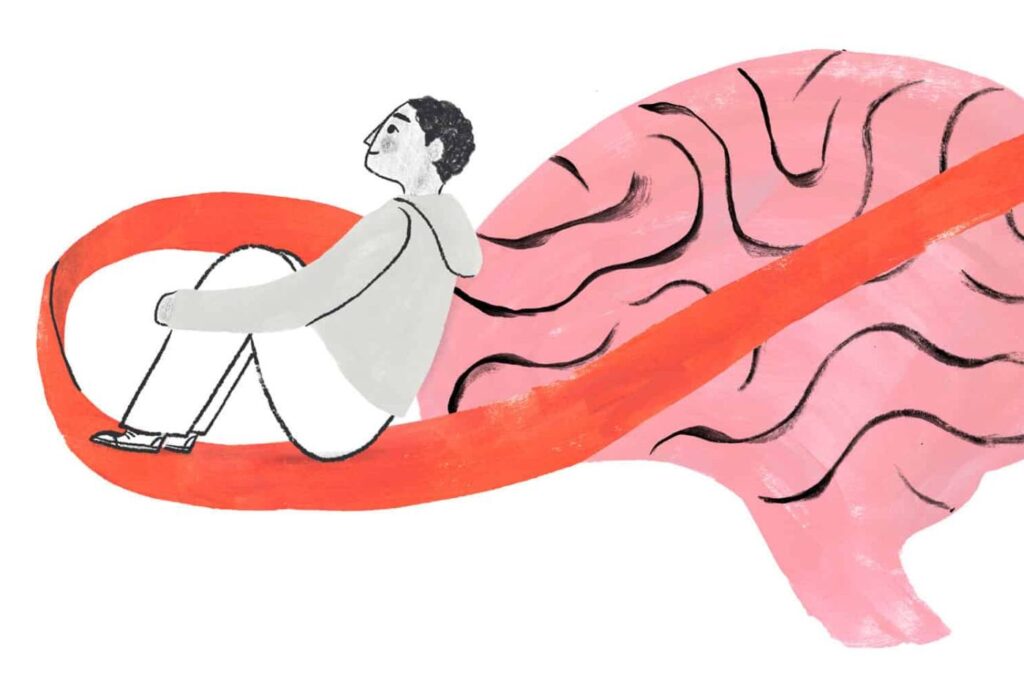
Signs and Symptoms of Nervous System Dysregulation
Signs of dysregulation vary, depending on individual history of exposure to stress and trauma. They can be emotional, physical, or behavioural.
Emotional Symptoms
- Persistent anxiety or irritability
- Mood swings or emotional numbness
- Feeling unsafe, even in secure situations
Physical Symptoms
- Fatigue, muscle tightness, or chronic pain
- Digestive issues such as IBS, nausea, or bloating
- Racing heart or disrupted sleep
- Chronic fatigue
Behavioural Symptoms
- Procrastination, avoidance, or compulsive activity
- Withdrawal or emotional outbursts
- Addictive coping behaviours such as overeating or substance use
The above symptoms appear as a result of coping mechanisms the mind, psyche and body adopt during times of overwhelm. Developing self-protection strategies is perfectly natural, even necessary – as such it is more helpful to approach them with gentleness rather than judgment.
Survival Responses: Fight, Flight, Freeze, and Fawn
When a person finds themselves threatened, they instantly adopt one of four protective states, which are the core stress responses of the autonomic nervous system, designed to keep humans safe when faced with danger.
If any of them are persistent or recurring within you, it may be a sign of a dysregulated nervous system. Becoming aware of any tendency towards a given response is the first step in weakening the pattern, and helping the nervous system return to balance.
Fight
The fight response is characterized by preparing to defend oneself, either physically or emotionally, and to face unavoidable confrontation. It arises from a sense of being threatened, and expresses itself as an urge to regain control or neutralize the threat, for example by needing to be right or validated in arguments, or even by physical altercation. Being constantly caught in fight mode can cause a person to be frustrated, irritated and argumentative, and can contribute to physical health issues such as high blood pressure and digestive problems.
Flight
The flight response is the drive to escape a threat, by removing oneself from the situation. It causes restlessness and anxiety, racing thoughts and overthinking, and a tendency to avoid getting into any situation or person that may feel difficult to get away from. This may include fear of intimacy, constant busyness or even workaholism.
Freeze
Freeze occurs when neither fighting nor fleeing seem like options. It may involve emotional shutdown, dissociation, or paralysis in decision-making. The freeze response is a strategy designed to minimise harm. Being unable to take action, or seeming emotionally unaffected may give an impression of calmness. Even a person stuck in freeze mode can mistake their state for being in control, or unruffled. It is only in hindsight that they realize they were in fact numb and unresponsive.
Fawn
The reason the term ‘fawn’ sounds disempowering is because it is exactly that. The aim of fawning is to defuse a threat in order to stay safe. It involves appeasing, people-pleasing and generally backing down from any potential conflict.
However, the fawn response may change from being a response to trauma and danger, to being the cause of more of the same. It often leads to people jeopardizing their own needs, going out of their way to meet those of others, and trying to keep them happy as a preventive measure to keep themselves safe. In the worst case, it can lead to abusive relationships, co-dependency and a loss of autonomy. Fawning leads to a reduced ability to maintain healthy boundaries, such as the ability to say “no” when necessary, and therefore easily becomes a maladaptive coping mechanism.

Polyvagal Theory and the Path to Healing
The polyvagal Theory, developed by Dr. Stephen Porges, explains how the nervous system alternates between states of safety and defensiveness. It identifies three primary modes:
- Ventral Vagal (safe and social): calm, engaged, and connected
- Sympathetic (fight or flight): anxious, irritable, or mobilised
- Dorsal Vagal (freeze/shutdown): numb, collapsed, or withdrawn
Dysregulation often means being stuck in either sympathetic arousal or dorsal shutdown. Healing practices are designed to guide you back into the ventral vagal state, where restoration and connection are possible.
Therapeutic Modalities for Nervous System Healing
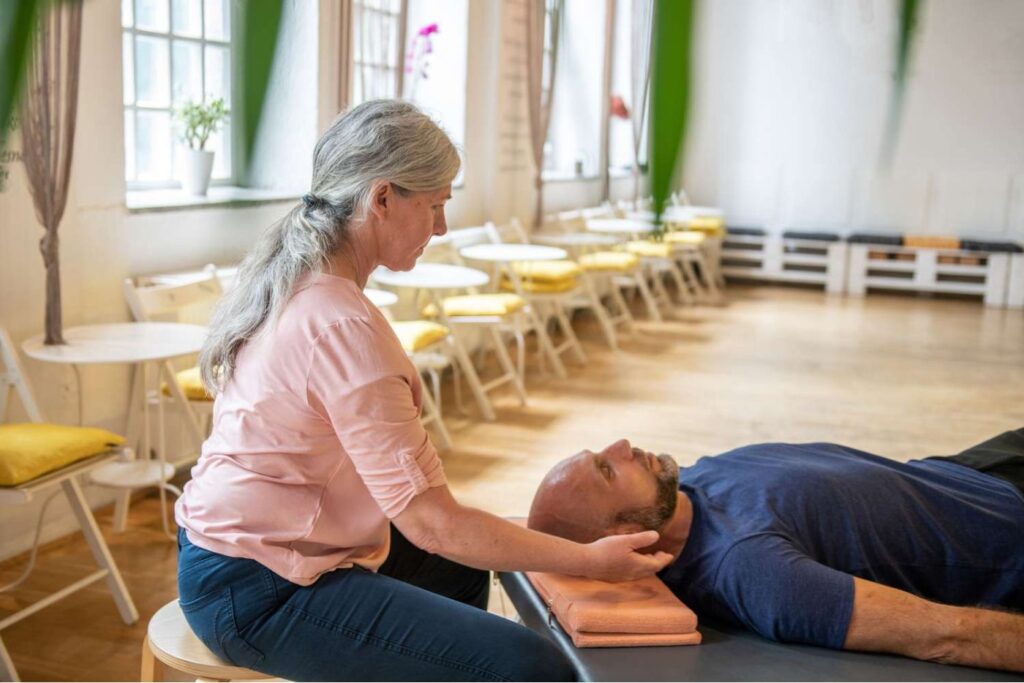
At Yatra Centre, we use a range of therapeutic approaches to help clients heal and balance their nervous systems. These therapies help refresh the mind and body’s cellular memory of what it feels like to be safe, and in so doing, to exit survival mode.
Somatic Experiencing
Somatic Experiencing invites you to notice tensions, holding patterns and other sensations in the body, particularly those that come up, or are intensified, by revisiting painful memories or past events. The related trauma can become trapped in your cells and nervous system, survival energy that was never dissipated or released.
SE helps people consciously let go of tightness or strain in the body, and move from sympathetic nervous system activation (the fight, flight, freeze or fawn stress responses) to the calmer state in which the parasympathetic system takes over. This approach therefore helps rebalance the nervous system, and become more resilient in stressful situations.
Internal Family Systems (IFS)
Put simply, Internal Family Systems is a form of psychotherapy that sees each person as the sum of multiple ‘parts’ – different aspects of themselves likened to inner sub-personalities. But some of these parts carry pain, or are conditioned to behave in certain ways – though all try, in their own way, to keep you safe and happy.
By approaching these parts with curiosity and compassion, you learn to help them ‘get along’ more harmoniously. This, in turn, creates a sense of emotional security and helps nervous system regulation.
Yoga for Trauma
Trauma-sensitive yoga reconnects body and mind through gentle movement and breath. The practice emphasises self-awareness and a sense of safety within your physical surroundings. It also helps you feel more grounded in your body. Simple and accessible to all, yoga is an important part of the programs at Yatra.
Breathwork and Meditation
Slow breathing activates the vagus nerve, one of the biggest nerves in the parasympathetic nervous system, whose role is to help the body relax after exposure to danger or stress.
Meditation, meanwhile, helps reduce mental activity while developing presence. Together, these practices help soothe an over-stimulated nervous system and restore balance.
Cold Water Exposure
Cold showers, or brief immersion in cold water, also help stimulate the vagus nerve, leaving you feeling calm and relaxed. Research indicates that when practised safely, regular, short exposure to cold temperatures can improve mood, increase resilience and reduce stress. Yatra is equipped with both a sauna and ice bath on site, and we find that the combination of these two really benefits our clients.
Cognitive Behavioral Therapy (CBT)
CBT helps identify and change thought patterns that consistently stimulate the nervous system. Reframing beliefs and adopting healthier behaviours reduces the impact of thoughts and emotions on your nerves, enabling you to reconnect with a sense of security, and lowering stress responses.
These therapies are most effective when practiced regularly in safe, supportive environments.
Why Inpatient Treatment Works
Self-directed practices and outpatient therapy are not always sufficient to address all cases. Inpatient treatment for nervous system dysregulation offers the immersion and structure that can make a difference. In an environment entirely geared towards recovery, the nervous system has the chance to reset more fully. Benefits include:
- Daily regulation practices in a safe environment
- Personalised support from trauma-informed therapists
- Nutritional, physical, and emotional care for whole-body healing
- Time away from stressors and triggers to allow real rest
- Connection with a community of others on the same path
Inpatient care helps rewire stress responses and builds a foundation for long-term balance.
Inpatient Treatment for Nervous System Regulation
If you are dealing with chronic dysregulation, complex trauma, or burnout, inpatient care may be the most effective option. At Yatra Centre in Krabi, Thailand, we provide trauma-informed programs that integrate somatic therapy, IFS, trauma-sensitive yoga, breathwork, CBT, and more. In the beautiful, natural surroundings of Krabi, clients receive the support they need, from experienced and compassionate professionals.
You Can Regulate and Heal
Living with a dysregulated nervous system can feel both like being on constant alert, or alternatively being completely switched off. Yet your system is supremely adaptable, and can resume normal, harmonious function again with the right approach and support.
Thanks to modalities such as somatic healing, cognitive therapy, bodywork and movement practices, and compassionate care, recovery is possible. You can free yourself from a default survival mode setting, and regain a life of serenity, clarity and healthy connection.
Call Yatra Centre today at +66 96 916 3287 to speak with a specialist about your path to nervous system healing.

Frequently Asked Questions
Q: What causes a dysregulated nervous system?
A: Dysregulation usually develops in response to trauma, chronic stress, or neglect. When the nervous system is overwhelmed, it adapts by staying in survival states such as fight, flight, freeze, or fawn, even when danger has passed.
Q: Can the nervous system heal naturally?
A: Yes. With the right practices, support, and environment, the nervous system can relearn how to regulate itself. Approaches like somatic therapy, breathwork, and trauma-informed care are especially effective.
Q: How long does it take to regulate the nervous system?
A: The timeframe varies depending on your history and current state. Some people notice improvements within weeks of consistent practice, while others may need months of support to achieve lasting balance.
Q: Is inpatient treatment necessary for healing?
A: Not always. Many people benefit from outpatient therapy and self-regulation practices. Inpatient care is recommended when dysregulation is severe, persistent, or linked to trauma.
Q: What therapies are best for nervous system regulation?
A: Modalities such as Somatic Experiencing, Internal Family Systems, trauma-sensitive yoga, CBT, and breathwork are all evidence-based and effective for supporting regulation.

Mike Miller
Founder & Clinical Director
Mike Miller is a Certified Clinical Trauma Professional, Certified Addiction Therapist, and EMDR Therapist with advanced training in trauma and mental health. He has over 20 years experience delivering behavioural health treatment to clients internationally. As a leading trauma expert, Mike developed the Yatra programme in 2022 to accelerate healing and support lasting transformation.
Subscribe to our newsletter.
Subscribe to our newsletter and join a supportive community dedicated to understanding, overcoming, and transforming personal trauma.
Related Articles

What Is Somatic Therapy? How the Body Heals Trauma
The word ‘somatic’ is derived from the Greek ‘soma’, meaning body. ‘Somatic’ refers to that which…...

What Is Trauma Therapy? A Complete Guide to Healing Trauma
The Cambridge dictionary defines trauma as, “severe and lasting emotional shock and pain caused by an…...

Can Trauma Lead to Hypersexual Behavior? A Closer Look
Trauma can disrupt a person’s life in multiple ways, to the point of affecting aspects of…...

Why a Somatic Healing Retreat Might Be Exactly What You Need
You’ve tried therapy. You’ve read the books. You’ve done your best to manage stress, anxiety, or…...