
10 Signs You Might Need PTSD Rehab
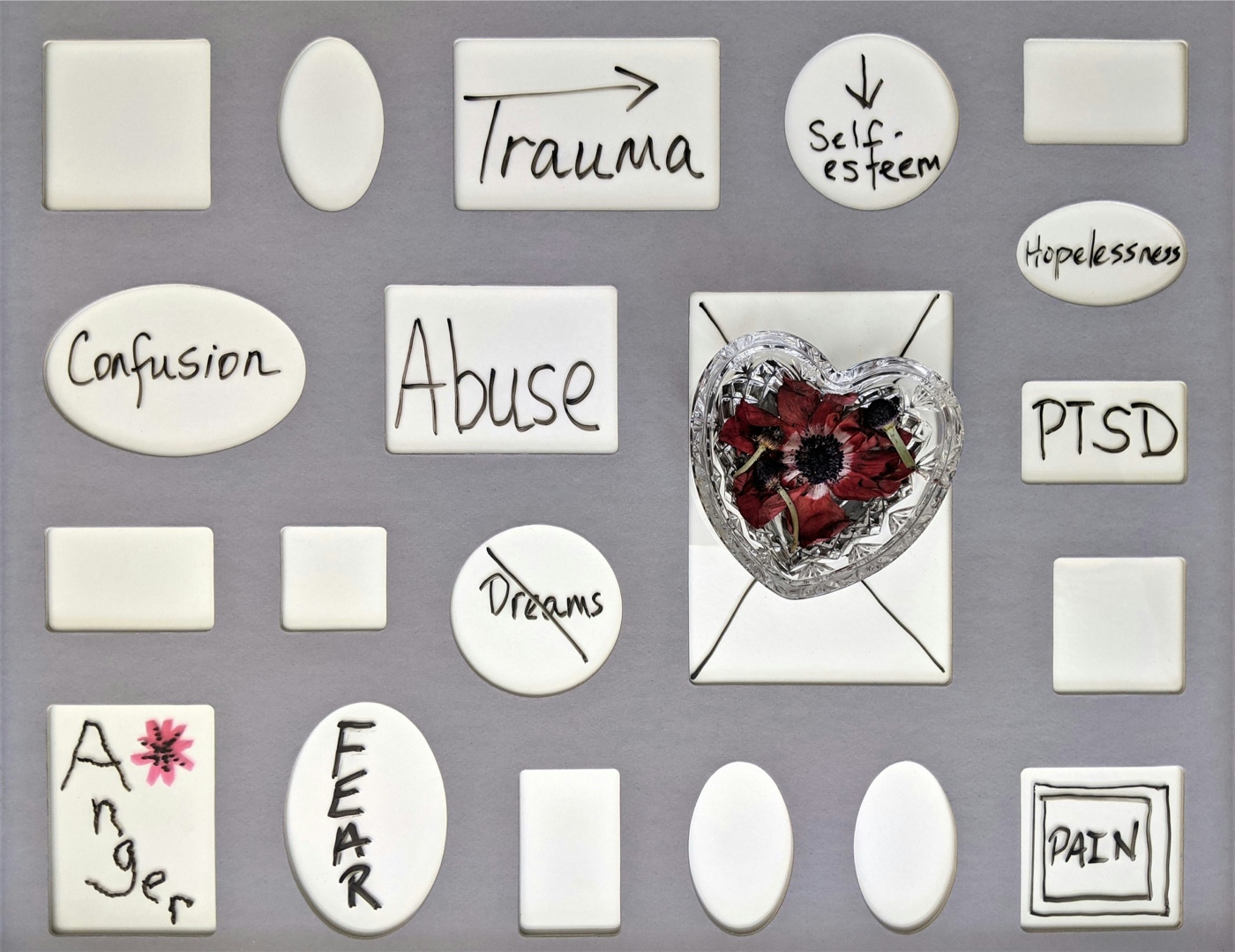
Living with post-traumatic stress disorder can feel like carrying an invisible weight, although this inner burden may not be visible to others. It is true that in some PTSD sufferers, the signs that past trauma is still impacting their lives are very apparent. In others, however, the continuing impact of their trauma can be more difficult to detect.
In this blog, we will look at all the most common signs indicative of the on-going effects of trauma – this will help you assess whether you may benefit from attending a PTSD rehab. For more information on Yatra Centre’s approach to PTSD treatment, contact us today on +66 96 916 3287.
What is PTSD Rehab?
PTSD rehab treatment involves a stay at an inpatient facility which specializes in helping people recover from PTSD.
The inpatient element of treatment is an essential part of the PTSD rehab process. At Yatra Centre, we have observed, consistently and over time, that an inpatient environment provides optimal conditions for PTSD treatment, for a number of reasons.
Firstly, inpatient treatment allows you to allocate an extended period of time to focusing solely on healing from your trauma. This tends to produce quicker, more significant and more durable results than outpatient care can provide.
The serene setting of the centre, in an atmosphere wholly geared towards recovery, also helps your nervous system calm down. This greatly facilitates trauma treatment, since a relaxed state supports the processing of trauma, in a manner which would be challenging to replicate in the “outside world”.
A stay at an inpatient centre also provides consistent, uninterrupted support, while you work to address your trauma, and this can contribute to significantly improved outcomes. Studies show that treatment programs can lead to a majority of participants no longer meeting the criteria for PTSD post-treatment, with figures as high as 86% when patients have access to trauma-focused therapy.
Signs You Might Need PTSD Rehab

If you are experiencing any of the signs described below, it is likely that you will benefit from attending a PTSD rehab centre such as Yatra.
1. You’re Constantly Reliving the Trauma
Trauma gets stored away within us, sometimes in very deep places. It resurfaces through such experiences as flashbacks, intrusive memories or nightmares. If you are subject to any of these signs of persistent trauma, it is a clear indication that you have not fully processed what you went through, and are struggling to move on.
Mental images such as the above can be extremely vivid, and become overwhelming – trauma sufferers often feel as though they are back in the original distressing situation. PTSD rehab can help you process such memories in a safe and supportive environment. It also provides perfect conditions to acquire the tools that can free you of the influence of your past, and to regain control of your life.
2. You Avoid Certain Places or People
Do you avoid places, people or situations that you somehow associate with trauma? Steering clear of certain locations, circumstances and people is a perfectly understandable self-protection strategy. However, it can also place significant limitations on your life, and restrict not just your freedom of movement, but also the scope of your activities.
If you find yourself regularly skipping family reunions, avoiding specific locations or neighborhoods, or not participating in social gatherings, your avoidance may actually be hindering your progress, instead of supporting your healing. Resorting to this behaviour may indicate you need professional help, in order to address these triggers in a healthy way.
3. You Feel Numb or Disconnected
PTSD can make you feel emotionally numb, or disconnected from those around you. You might struggle to feel joy, love, or even emotions usually difficult to escape, such as sadness. It may feel as though there is a wall between you and the world, leaving you feeling isolated and alone.
When someone has lived with PTSD for long enough, such absence of feeling may become a default state, which feels completely familiar. A person may barely notice the absence of joyful feelings, or decreased sensitivity to less pleasant ones. Just as you may no longer pay attention to a broken light bulb, or a cracked tile that have remained that way for ages, if a spark has gone out of your life, you may not be aware of it any more. However, a life without a healthy range of emotions is neither normal nor balanced. And it is certainly not a situation to become resigned to.
The reality is that if you feel constantly numb, you are not able to experience life to its fullest. PTSD rehab is the fastest way for you to reconnect with yourself, and others, so you can enjoy life once again.
4. You Struggle with Anger or Irritability
Do you find yourself frequently snapping at others, feeling irritable, or struggling to manage your anger? These outbursts may stem from the heightened sense of being threatened, or even under attack, that PTSD creates. PTSD rehab helps you learn to choose which emotions you wish to express, and no longer be at the mercy of your temper, or your fear. You learn how to identify the root of these feelings and develop healthier ways to cope with them.
5. You Rely on Substances to Cope
If you’re using alcohol, drugs, or other unhealthy coping mechanisms to numb your pain or escape from your memories, it is a strong sign that PTSD is affecting your ability to function properly. Substance use might provide temporary relief, but it usually worsens symptoms over time, and creates further complications. Our PTSD rehab program at Yatra Centre is designed to help you address your trauma, which is often a major catalyst for substance abuse.
You are likely to find that after doing “the work” involved with trauma recovery, your desire to resort to substances as an antidote to your pain decreases significantly.
6. You Suffer from Insomnia or Severe Sleep Disruption
Sleep problems are a common struggle for people with PTSD. If you’re dealing with insomnia, nightmares, or frequent waking due to anxiety, it’s a sign that your nervous system is stuck in overdrive. At Yatra Centre, we provide you with a safe space which will allow your nervous system to wind down. We also help you explore relaxation techniques, trauma therapy, and other strategies to restore restful sleep.
7. Your Relationships Are Suffering
PTSD can take a significant toll on your relationships. You might feel distant from loved ones, push them away, or struggle to communicate your needs. On the flip side, you might feel overly dependent on others for reassurance or support. If PTSD is affecting your ability to connect with those you care about, PTSD rehab can help you heal those connections by addressing the root of your struggles.
PTSD rehab can also be an opportunity to take the strain off those near and dear, who may want the best for you, but feel unqualified or are struggling to know how best to help you. For PTSD sufferers, residential treatment is a place where they can talk about relationship difficulties with experienced health professionals, who have the expertise and training to understand.
8. You Notice a Loss of Interest in Some Aspects of Life
Have you noticed you’ve stopped enjoying the things you once loved? PTSD can cause a loss of interest in hobbies and activities you previously enjoyed. You may find that engaging in your hobbies, being proactive at work, or spending time with friends no longer hold the same appeal, far less bring you joy. This sense of detachment can lead to feelings of hopelessness or depression. PTSD rehab can help you rediscover what brings you purpose and joy, allowing you to reconnect with the things that matter most to you.
9. You Feel Hopeless About the Future
When you’re living with PTSD, it’s easy to feel like things will never get better. This hopelessness can make it hard to seek help – or even persuade you that doing so is pointless and cannot help you anyway. However, such despondence is also one of the clearest signs that professional support is actually needed. PTSD rehab can offer you a path forward, providing the guidance, tools, and care you need, in order to find a renewed sense of hope and empowerment.
10. You Feel Like You’re in Survival Mode All the Time
Living with PTSD can feel like you’re constantly on edge, as if danger is just around the corner, even when your rational mind knows that you are safe. You may be hypervigilant, easily startled, or find it nearly impossible to relax. This ongoing state keeps your nervous system trapped in a cycle of stress and fear, making it difficult to feel calm, connected, and at peace. It also places you under regular stress and strain, which slows down the process of healing from PTSD.
Can I Heal Without PTSD Rehab?

Many people are able to heal from their trauma without the support of an inpatient facility. But if you have already tried working on your trauma and continue to experience its symptoms, PTSD rehab may be the right option for you.
Yatra Centre – Inpatient PTSD Treatment Centre
At Yatra Centre, we provide a safe, supportive environment where healing can truly begin. We don’t offer quick fixes, rather our expert team specializes in evidence-based trauma therapies designed to help you regain a lasting sense of peace, strength, and control over your life.
If you’re ready to start your journey toward healing, contact us today on +66 96 916 3287, to learn more about our programs and how we can support you on your path to recovery. Your healing starts here.

Mike Miller
Founder & Clinical Director
Mike Miller is a Certified Clinical Trauma Professional, Certified Addiction Therapist, and EMDR Therapist with advanced training in trauma and mental health. He has over 20 years experience delivering behavioural health treatment to clients internationally. As a leading trauma expert, Mike developed the Yatra programme in 2022 to accelerate healing and support lasting transformation.
Subscribe to our newsletter.
Subscribe to our newsletter and join a supportive community dedicated to understanding, overcoming, and transforming personal trauma.
Related Articles
What Is Somatic Therapy? How the Body Heals Trauma
The word ‘somatic’ is derived from the Greek ‘soma’, meaning body. ‘Somatic’ refers to that which…...
What Is Trauma Therapy? A Complete Guide to Healing Trauma
The Cambridge dictionary defines trauma as, “severe and lasting emotional shock and pain caused by an…...

Can Trauma Lead to Hypersexual Behavior? A Closer Look
Trauma can disrupt a person’s life in multiple ways, to the point of affecting aspects of…...

Why a Somatic Healing Retreat Might Be Exactly What You Need
You’ve tried therapy. You’ve read the books. You’ve done your best to manage stress, anxiety, or…...