
Can Trauma Be Cured? What a PTSD Treatment Center Really Offers

If you are dealing with the crushing effects of trauma, you probably want a cure and you want it fast. Trauma can shake your sense of safety, trust, and direction in life. The good news: with focused care at a PTSD treatment center, symptoms can drop sharply and your quality of life can climb. The more nuanced truth: healing is a process, not a single switch.
This article answers the core question “Can trauma be cured?”, shows you what effective treatment looks like, and highlights the unexpected gains many people find on the other side of recovery.
Can PTSD Be Cured or Just Managed?
The word “cure” suggests a total removal of every symptom and ripple effect. Trauma memories rarely vanish. What can change dramatically is the emotional charge those memories hold and the way your nervous system responds. In other words, you can live without flashbacks running the show, without being on edge all day, and without shutting down any time you feel threatened.
Think of recovery as healing rather than erasing. You still remember what happened, but those memories stop dominating your behavior, your relationships, and your choices. Many people report that the intensity, frequency, and duration of symptoms shrink once they work with the right therapies.
Quick answers to the questions most people type into Google:
- Can PTSD go away completely? Symptoms can reduce to the point where they rarely interfere with daily life. Some people experience long periods with no symptoms at all.
- How long does recovery take? Timelines vary. Some feel steady improvement in weeks, deeper stabilization in months, and ongoing growth over years as new skills integrate.
- What if triggers come back? You will learn tools to ride out spikes without losing control. Setbacks become manageable, not catastrophic.
What “Healing” Looks Like in Practice
Healing means your body and brain respond differently to reminders of the past. Your sleep becomes more consistent, your startle response calms, your tolerance for emotions grows, and your relationships feel safer. You gain choice where you once felt hijacked.
What Effective Care Looks Like at a PTSD Treatment Center
A strong PTSD treatment center does more than offer talk therapy. You should see a blend of evidence-based modalities, nervous system work, and relational safety. At Yatra Centre, clinicians tailor a plan around your story, symptoms, and goals. Here are pillars you can expect:
Evidence-Based Therapies
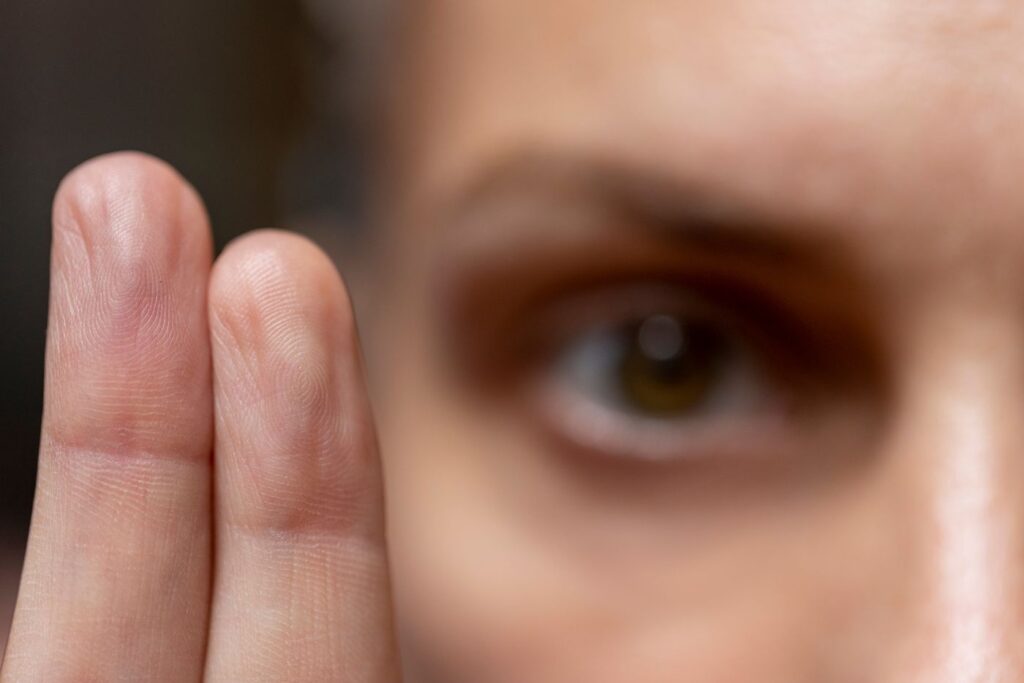
- EMDR (Eye Movement Desensitization and Reprocessing): helps your brain reprocess traumatic memories so they lose their sting.
- Somatic Experiencing and other body-based methods: release stored survival energy and teach your nervous system to settle.
- Internal Family Systems or parts work: helps you meet protective parts without getting overwhelmed by them.
- Compassionate Inquiry and trauma-informed CBT: build insight, challenge stuck beliefs, and create new patterns.
Regulation Skills You Can Use Anywhere
You learn breathwork, grounding techniques, orientation practices, and micro-movements that stabilize you in seconds, not hours. Practical skills empower you to keep progress going long after you leave the center.
Safe Relational Space
Trauma often happens in relationship, so healing through healthy relationship is a key ingredient. Skilled therapists model boundaries, attunement, and repair. You experience being heard and believed, which rewires old expectations of danger or abandonment.
Structured Yet Personalized Plans
Your plan should include clear goals (sleep, panic reduction, relationship repair), session frequency, adjunct therapies (yoga, bodywork, art therapy), and check-ins to measure change. Personalization increases engagement and results.
Call +66 96 916 3287 to speak with a trauma specialist and outline your first week at Yatra center.
The Unexpected Benefits of Healing From Trauma
You arrive seeking relief. Many people leave with far more than symptom reduction. Post-traumatic growth is real for a significant portion of survivors who process their experience. Growth does not mean the pain was “worth it”. It describes the positive shifts that can arise when you integrate the experience instead of avoiding it.
Areas Where Growth Commonly Appears
- Deeper appreciation for life: Small moments feel vivid again. Simple routines feel meaningful.
- Stronger relationships: You communicate needs clearly and choose safer people.
- Inner strength: “I got through that” becomes a quiet anchor you can lean on.
- New possibilities: You reassess priorities and pursue projects or paths that align with your values.
- Spiritual or existential clarity: Many report a renewed or newly defined sense of purpose.
Emotional Regulation Becomes a Daily Skill
Waves of anger, sadness, or panic used to knock you off balance. Treatment gives you tools to surf those waves. You notice a surge, apply a skill, and stay present. Over time, your baseline state moves from survival mode to grounded engagement.
Relationships Improve With Skills, Not Luck
Trauma often strains trust. Treatment helps you name patterns, set boundaries, and ask for support. Some people find their connections end up richer than before, because they now bring self-awareness and clear communication to the table.
How Yatra Centre in Krabi Helps You Recover

Yatra Centre is a PTSD treatment center set in serene Krabi, Thailand. The setting is calm, the clinical team is trauma-trained, and the program is tailored. Here is what working with us looks like:
Your First Steps
- Free initial call to clarify needs and answer questions.
- Intake and assessment with a trauma-informed clinician.
- Collaborative plan that maps out therapies, session schedule, and measurable goals.
During Your Stay
- Daily or near-daily therapeutic contact (individual and group, if appropriate).
- Body-based practices that regulate the nervous system.
- Integration time, journaling support, and therapist check-ins.
Aftercare and Continuity
- Relapse-prevention style plans for triggers (what to do, who to call, which skills to use).
- Scheduled follow-up sessions online.
- Support in building a local care network when you return home.
FAQ: Common Questions About PTSD Treatment
Here are some of the most frequently asked questions we get asked at Yatra regarding trauma.
Do I need an official PTSD diagnosis to start?
No. If you relate to the symptoms and they impact your life, you qualify for help. A formal diagnosis can be arranged during assessment if needed.
How do I know treatment is working?
Track three things: symptom intensity, how fast you return to baseline after a trigger, and how often you use coping skills instead of defaulting to avoidance or shutdown. We review these markers with you every week.
Will I have to relive everything in detail?
Not always. Some of the modalities at Yatra process memory without graphic retelling. You stay within a tolerable window while still moving the trauma through.
What if I feel worse before I feel better?
Temporary spikes can happen as your system opens old material, which is why pacing and regulation tools are built into every step. You will not be left to handle activation alone.
Can online aftercare really keep me stable?
Yes, if it is structured. Scheduled check-ins, clear trigger plans, and skill refreshers maintain momentum and prevent isolation.
How We Measure Progress at Yatra Centre
We use simple, transparent indicators so you can see change:
- Frequency of flashbacks or panic episodes per week
- Scores on validated trauma scales at intake and discharge
- Relationship satisfaction self-ratings
- Skill usage journal: which tools you reached for and how they worked
Seeing these numbers shift helps your brain register that healing is real, which reinforces motivation.
A cure for trauma rarely looks like deleting every memory. Real healing looks like freedom: choosing how you respond, resting without fear, trusting yourself again, and using your past as compost for growth rather than a cage. With the right team and the right methods, you can move from surviving to living. Yatra Centre is ready to walk that path with you.
You deserve a life that trauma no longer controls. Call +66 96 916 3287 or message us to start your healing plan at our PTSD treatment center in Krabi.
Mike Miller
Founder & Clinical Director
Mike Miller is a Certified Clinical Trauma Professional, Certified Addiction Therapist, and EMDR Therapist with advanced training in trauma and mental health. He has over 20 years experience delivering behavioural health treatment to clients internationally. As a leading trauma expert, Mike developed the Yatra programme in 2022 to accelerate healing and support lasting transformation.
Subscribe to our newsletter.
Subscribe to our newsletter and join a supportive community dedicated to understanding, overcoming, and transforming personal trauma.
Related Articles

What Is Somatic Therapy? How the Body Heals Trauma
The word ‘somatic’ is derived from the Greek ‘soma’, meaning body. ‘Somatic’ refers to that which…...
What Is Trauma Therapy? A Complete Guide to Healing Trauma
The Cambridge dictionary defines trauma as, “severe and lasting emotional shock and pain caused by an…...

Can Trauma Lead to Hypersexual Behavior? A Closer Look
Trauma can disrupt a person’s life in multiple ways, to the point of affecting aspects of…...

Why a Somatic Healing Retreat Might Be Exactly What You Need
You’ve tried therapy. You’ve read the books. You’ve done your best to manage stress, anxiety, or…...